Cracked, chipped, or shattered glass changes how you drive long before it fully fails. You squint at glare around a spider crack, feel uneasy when the defroster kicks on, and worry whether one more pothole might turn a small flaw into a full fracture. If you live or commute around High Point, you’ve likely juggled these decisions during a busy week and wondered whether high point auto glass shops can handle it same day, or if you’re better off waiting for a weekend. This guide covers the most common questions motorists ask about auto glass repair High Point, with the straight answers I give customers on the phone and at the service bay.
When is repair enough, and when do you need replacement?
The short version: small chips and minor cracks can often be fixed, but long cracks, multiple impact points, or damage in a critical area call for replacement. Industry rules of thumb help, but real-world judgment matters.
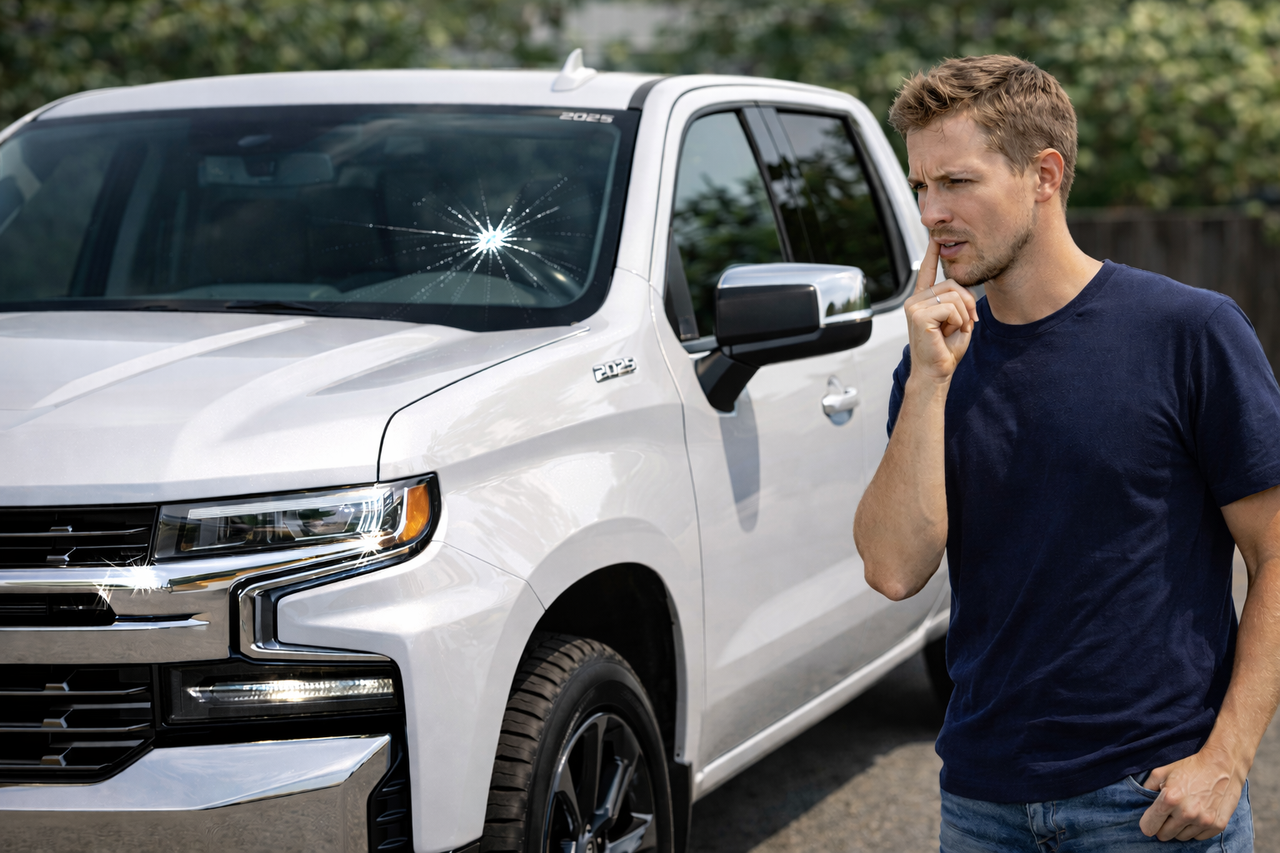
Windshield repair High Point technicians typically look for three things. First, size and length. A simple rock chip smaller than a quarter and a crack under about six inches can usually be injected with resin and polished out. Second, location. Anything directly in the driver’s primary line of sight, or within an inch or two of the edge, is less likely to repair cleanly or may compromise structural strength. Third, depth. If the break penetrates the inner plastic layer or shows contamination from dirt and moisture, the repair’s clarity and strength suffer.
For side and rear windows, replacement is the norm. Those panes are tempered glass, designed to shatter into small pieces. A clean crack is rare on a side window, and an actual fracture usually means the panel must be replaced. If someone broke into your car, car window replacement High Point rather than repair is the expected route.
If you’re unsure, send a well-lit photo to a mobile auto glass High Point provider. Good shops can usually determine repair versus replacement from an image, then confirm on site.
Does a damaged windshield weaken the car?
Yes, more than most drivers realize. Modern vehicles rely on the windshield as part of the safety cell. The glass helps transfer force in a crash, supports the roof during a rollover, and serves as a backstop for the passenger airbag. If the windshield’s adhesive bond or laminated structure is compromised, airbags may deploy poorly and roof strength can fall below design intent. That is why windshield replacement High Point services follow specific adhesive cure times and installation steps, even when a customer asks to “get it done fast.” Speed matters, but safety does not negotiate.
How long can you drive with a crack?
It depends on the crack’s size, location, and your driving conditions. A star chip repaired within a day or two often disappears from your mind and your sightline. A six-inch crack across the passenger side might be tolerable for a short while, but keep in mind that heat, cold, and road vibration make cracks migrate. On hot summer afternoons in High Point, it is common for small cracks to grow a few inches after an hour parked in the sun, especially if a rapid thunderstorm cools the glass quickly. I’ve watched a hairline crack jump across a third of a windshield between the start and end of a lunch break.
As a rule, book repair promptly. If replacement is inevitable, aiming for same day auto glass High Point service can keep you on schedule and avoid inspection or ticket risks if the crack obstructs your view.
What does a proper windshield replacement involve?
Professional windshield replacement looks simple from the waiting room, yet there are crucial steps behind the glass doors. First, the technician protects the paint and interior, then cuts the old urethane adhesive with cold knives or power tools. Next, they lift the old glass out, inspect the pinch weld, and remove rust or old adhesive down to a clean layer known as the “full cut.” A compatible primer gets applied to any bare metal, then a matched urethane bead is laid with a specific tip size and pattern.
The new windshield seats onto that bead in one controlled motion to avoid smearing. Positioning tabs or suction cups help achieve the right height and alignment. Before anyone drives the car, the adhesive must cure to a safe drive-away strength. Cure time ranges from 30 minutes to several hours based on temperature, humidity, and urethane brand. Quality shops document the safe drive-away time, then place a reminder card on your dash. If a shop tells you to drive immediately without any cure guidance, be cautious.
How long will a repair or replacement take?
For repair, expect 30 to 45 minutes for a single chip, a bit more for multiple chips. That includes curing the injected resin under UV light. For replacement, plan 60 to 120 minutes for the work plus cure time. Some specialty or luxury vehicles with advanced driver assistance systems need calibration after the glass goes in. That can add 30 to 90 minutes and may require a test drive or a controlled indoor environment with targets.
Mobile services move efficiently because they focus on glass all day. Still, the time depends on model complexity and how easily the old urethane cuts. A vehicle with heavy rust around the frame or a glued-on trim channel can add an hour, and in winter you can lose extra time to slow cure rates.
Can mobile auto glass services handle modern vehicles?
In most cases, yes. Mobile auto glass High Point vans carry adhesives rated for outdoor installation, heavy-duty stands, and the common calibration tools. The caveat is ADAS recalibration. Many late-model cars use forward-facing cameras that look through the windshield and require a calibration after the glass is replaced. There are two methods: static calibration with targets and specific distances, or dynamic calibration during a controlled road drive at set speeds. Some models allow dynamic calibration on the street, which a trained mobile tech can handle. Others need target boards in a level, well-lit space, and that usually means a shop visit.
Ask upfront whether your exact make and model needs static calibration, and whether the provider handles that on-site or back at their facility. A good plan beats a second appointment.
Is repair as strong and clear as new glass?
Properly executed repairs restore structural integrity to a surprising degree, but they are not invisible, High Point auto glass repair and they don’t make the glass new. The resin bonds the broken edges and prevents spread, which returns much of the original strength. Under certain angles or strong sunlight, you might notice a faint blemish or a bright dot where the repair began. If a flawless view matters, replacement is the only way to reset optics. On the other hand, many drivers forget a chip repair entirely within a week because the remaining mark is small and outside the direct sightline.
If the crack is in the center of the driver’s view, I usually recommend replacement even if a repair is technically possible. Headlight glare at night can turn a repaired chip into a distracting flare. The trade-off is cost and time versus long-term comfort while driving.
What about rain, cold, or High Point’s summer heat?
Temperature changes put stress on glass. Park a hot car under a shaded tree, or blast cold air across a hot windshield, and you’ll hear pings as the glass flexes. That movement can trigger a crack to run. In winter, pouring hot water on an icy windshield is even worse. Instead, raise the temperature gently with the defroster. For a damaged windshield awaiting service, avoid slamming doors, pothole-heavy routes, and extreme temperature swings.
Technicians work around weather. Adhesives are rated for a range of temperatures, and mobile techs carry canopy tents for light rain. Heavy downpours or freezing conditions can delay a windshield replacement because moisture and temperature directly affect urethane curing. In those cases, a same day auto glass High Point appointment might pivot to an early morning slot under better conditions, or the car might be brought into a shop bay to control the environment.
Will insurance cover the repair or replacement?
Most comprehensive policies cover glass damage less your deductible, and some waive the deductible entirely for windshield repair. High Point drivers often choose repair precisely to avoid paying out of pocket. If your deductible is, say, 500 dollars and a repair costs far less, it may make sense to pay cash and keep the claim off your record. For a full replacement, especially with ADAS calibration, costs can exceed that threshold, and a claim is worth filing.
When you call, have your policy number, VIN, and the date the damage occurred. Reputable shops work directly with major insurers and can coordinate approvals. Be wary of anyone insisting that insurance “always” covers full replacements without cost. Policies vary, and sometimes the practical choice is repair today, monitor the result, and revisit replacement if the damage grows.
OEM glass, aftermarket glass, or dealer-only parts?
OEM means the glass is made to the automaker’s specifications, often by the same manufacturers who supply the factory. Aftermarket glass comes from third-party companies that meet federal safety standards. The differences lie in optical clarity, frit band placement, bracket fitment, acoustic layers, and the small ceramic or tint nuances you don’t notice until they’re wrong.
For many mainstream vehicles, high-quality aftermarket glass performs well and fits perfectly. For vehicles with heads-up displays, heated wiper parks, advanced camera pods, or acoustic laminates, I lean toward OEM, or at least an OEM-equivalent listing from a known manufacturer. I’ve seen camera calibration go smoothly on quality aftermarket windshields, and I’ve also seen cheap glass yield a persistent calibration fault due to a minor distortion in the camera’s field. The cost difference is real, and a good shop will explain options rather than pushing a single choice.
How much does it cost?
Prices swing based on vehicle model, parts availability, and features. A basic chip repair in High Point frequently runs in the 75 to 150 dollar range for the first chip, with a small add-on per extra chip. A standard windshield replacement for a non-ADAS car might land between 250 and 450 dollars with quality aftermarket glass. Add rain sensors, heated glass, acoustic layers, or a camera module and the range jumps to 400 to 900 dollars. Certain luxury models or rare trim variants can exceed 1,200 dollars, especially when dealer glass is the only compatible option.
For side and rear glass, parts availability dominates price. Car window repair High Point usually means replacement, and tempered panes can be anywhere from 200 dollars for a common sedan to 700 dollars for a specialty or privacy-tinted panel with integrated antennas.
What should you expect from a good shop?
The best indicator is how they handle details. Clear scheduling, accurate estimates, and candid advice on repair versus replacement set the tone. When you arrive or when a mobile tech pulls up, look for paint protection drapes, clean tools, and adhesive brand transparency. Ask about safe drive-away time and whether you need ADAS calibration. If they answer without hedging, you are in good hands.
For warranty, lifetime against leaks and air noise on the installation is standard among established providers. Stone hits or new damage are not covered, obviously, but if a molding pops or a tiny corner whistles at highway speeds, the shop should address it promptly.
Can you get same-day or emergency service in High Point?
Usually yes, but timing helps. Same day auto glass High Point teams prioritize vehicles with compromised safety, such as a smashed driver’s side window or a windshield that is at risk of failing. Early morning calls get better odds. For emergency auto glass High Point needs outside normal hours, some providers keep an on-call tech. Expect an after-hours fee and a triage approach. If the right glass is not in stock, they may secure the opening, vacuum debris, and schedule the final installation for the next business window. If a storm is coming and you are parking outdoors, ask for a water-resistant temporary seal and consider a car cover until the proper pane arrives.
What about broken glass cleanup and interior protection?
Good technicians treat shattered glass cleanup as part of the job. They use commercial vacuums with narrow crevice tools to clear weatherstrips, seat tracks, door pockets, and speaker grilles. With side windows, tiny cubes hide under the seat and in the carpet’s jute backing. A thorough cleanup keeps those fragments from scratching leather or making noise a week later. If you still find a few pieces days afterward, call the shop back. Most will re-vacuum at no charge because they understand how glass migrates as you drive.
Are there ways to prevent chips and cracks?
You cannot dodge every stone, but you can reduce risk. Keep more distance from trucks, especially on fresh chip-seal or after a road shoulder cleanup. Avoid sudden blasts of heat or cold on the windshield. Replace wiper blades every 6 to 12 months, since worn blades drag grit across the glass and leave micro-scratches that weaken the surface over time. If you spot a tiny chip, dab it dry and cover it with clear tape until repair, which helps keep moisture and dirt out. That one-minute step can make a repair cleaner and stronger.
How does inspection or law enforcement view damaged glass?
North Carolina regulations focus on driver visibility and safety. A small chip off to the side rarely draws attention, but a crack crossing the driver’s view can become a ticket if it clearly obstructs vision. During annual inspections, obvious windshield damage in the wiper sweep area can be a reason to fail. Repairing chips early keeps you clear of those headaches and often costs less than the combined price of a reinspection plus a rushed replacement.
What if the crack keeps spreading after a repair?
That is uncommon when the chip is repaired promptly and the resin fully penetrates the break. When it does happen, it is usually because contamination was present, the damage reached the inner layer, or temperature stress pushed beyond the repair’s limits. Most shops apply the repair fee as a credit toward replacement within a defined time window, typically 30 to 90 days. Ask about that policy before the repair.
Should you drive to a shop or use mobile service?
Use whichever saves time without sacrificing calibration or cure control. If your vehicle needs static ADAS calibration or specialty tools, going to the shop is smarter. If you are juggling work, kids, and errands, mobile service at your driveway or office parking lot keeps your day intact. For severe weather or a secure drive-away window during winter, a shop bay provides certainty.
Here is a simple comparison customers find helpful:
- Choose mobile service when the damage is straightforward, your vehicle does not need static calibration, and your schedule is tight. Choose shop service when you need static ADAS calibration, controlled temperature and humidity, or rust and bodywork attention around the glass opening.
What if the new windshield leaks or whistles?
It should not. A properly seated windshield, with the right urethane bead height and intact molding, stays quiet and dry. If you hear a whistle near the A-pillar at 55 mph, it usually points to a small gap under the trim or a molding that didn’t fully engage. Light water seepage at the top corners after a car wash indicates either a low bead or blocked drain channel. Both are fixable. Call the installer and schedule a check. They may perform a smoke or water test, then lift or replace a molding, add a bead, or reset the glass if necessary. Quality shops treat this as part of the service, not an extra sale.
Could reused moldings or clips cause problems?
Sometimes. Many modern vehicles use one-time-use clips and molding strips that deform during removal. Reusing them can save cost but raises the risk of wind noise or a poor cosmetic finish. High Point providers typically stock common clips and replace them as part of the job. On rare models, clips come from the dealer only, which can delay the appointment by a day or two. If trim fit is important to you, ask whether new clips and moldings are included in your quote.
What about classic cars and specialty vehicles?
Older vehicles with gasket-set windshields require different techniques and sometimes specialized parts that are no longer mass produced. The process may involve rope-in methods, sealants designed for rubber channels, and bodywork to deal with rust under the gasket. For these cars, seek a shop with documented vintage experience. Expect a slower pace, a test-fit of the glass before final sealing, and a clear discussion about originality versus modern sealants. The price is higher, the labor is more hands-on, and the payoff is a weather-tight windshield that respects the vehicle’s character.
How to prepare your car for service
A few simple steps make the job smoother and reduce the chance of delays. Remove toll tags, dash cams, and suction mounts from the old glass so the tech can work without obstruction. Empty the glovebox and dash-top of loose items if a sensor access panel needs to come off. If you use a mobile service, park on level ground with enough space to open both front doors fully. On hot days, crack the windows slightly after installation to ease pressure on fresh urethane when you close a door.
A quick path to the right outcome
If you are dealing with sudden damage or just noticed a chip this morning, here is a short decision path that matches how I triage calls:
- If the damage is a small chip away from the driver’s direct view, book a repair soon and keep tape over it until the appointment. If you see a long crack, multiple impact points, or damage near the edges, plan for replacement and ask about calibration needs and safe drive-away times.
With that triage, you can call high point auto glass providers confidently, describe what you see, and know the likely direction.
The local rhythm matters
High Point has its own service cadence. School-year mornings fill fast with mobile appointments around office parks and campus areas. Late afternoons before a holiday weekend see a rush of emergency auto glass High Point calls from highway chips and parking lot mishaps. If your schedule allows, mid-morning Tuesday through Thursday is often the easiest time to secure same day auto glass High Point slots. That isn’t a rule, just a pattern I have watched while juggling routes and parts deliveries.
Final practical notes from the service bay
Most auto glass repair High Point visits go smoothly. The issues that cause friction are easy to avoid with a bit of foresight. Share your VIN so the correct glass with the right sensor mounts shows up the first time. Confirm whether your car needs calibration and where it will happen. Ask for the safe drive-away time and any aftercare, like avoiding car washes and high-pressure sprayers for 24 to 48 hours. Expect the tech to photograph the vehicle before and after as part of standard documentation. That protects both of you.
High-quality auto glass work is equal parts craft and procedure. The craft is in clean cuts, even bead depth, and a steady hand. The procedure is in choosing the correct urethane, honoring cure times, and calibrating sensors to spec. When both sides are respected, your windshield becomes what it should be, a piece of safety equipment you do not think about at all.
Whether you are arranging a quick windshield repair High Point appointment for a tiny star chip, planning a full windshield replacement High Point with ADAS calibration, or calling for car window repair High Point after a break-in, you have good options. With a clear sense of what matters, you can choose mobile auto glass High Point or an in-shop visit, decide between OEM and quality aftermarket glass, and get back on the road with a cabin that is quiet, dry, and safe.